Family entertainment
centers.
A successful family entertainment center has to hold attention, move guests naturally between activities, support food and beverage operations, and give families a reason to stay longer. Every part of the space contributes to that experience.
Design the whole visit, not just the activity.
Family entertainment centers combine activities, foodservice, gathering areas, party spaces and guest circulation inside one operating business. Placing those pieces in the same building doesn’t automatically make them work together.
Design Development Company plans each environment around the concept, brand and way guests will use the space. Attraction placement, seating, lighting, finishes, dining areas and service routes are considered as connected parts of the project rather than separate design exercises.
Give guests more to discover without creating confusion.
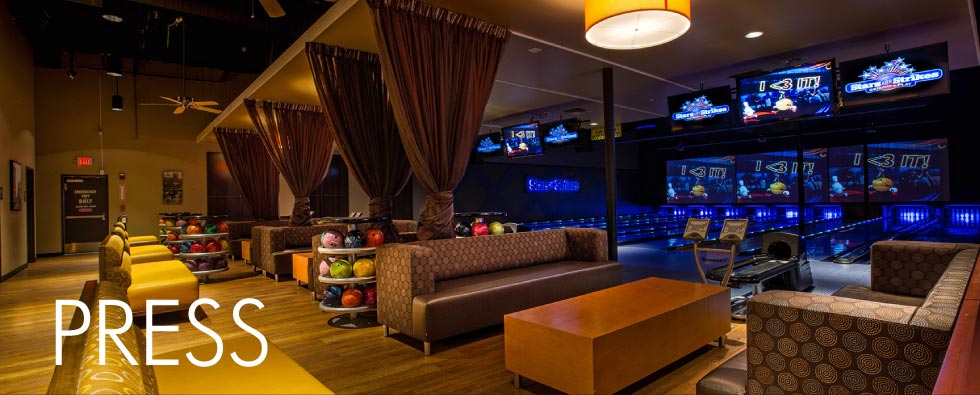
Entertainment venues depend on energy. Movement, lighting, sound and activity all contribute to the atmosphere.
Too little and the space can feel flat. Too much in the wrong places and guests become tired before they have explored the full venue.
The design has to establish a visual rhythm. High-energy attractions can draw people deeper into the center, while dining areas, lounges and party rooms provide places to pause. Guests may never think about the planning behind those transitions. They will notice when the experience feels awkward.
Four systems have to work together.
The strongest entertainment environments create excitement without sacrificing circulation, operations, dining comfort or future flexibility.
Guest Movement
Entrances, attractions, dining areas, restrooms and party rooms need clear connections. Guests should be able to explore without feeling lost or repeatedly crossing busy service paths.
Attraction Placement
Activity zones should create energy without allowing sound, queues or equipment to overwhelm nearby seating and dining spaces.
Food & Beverage
Restaurants, bars and concessions need to support the entertainment concept while operating efficiently during busy periods and group events.
Flexible Planning
Layouts should support the current mix of attractions while giving operators room to update activities, seating or event areas as the concept changes.
The attraction gets attention. The full experience brings the venue together.
A family might arrive for bowling, arcade games or an indoor activity. Their impression also includes the entrance, seating, food, lighting, party spaces and ease of moving through the building.
Those supporting environments are not secondary. They shape how long guests stay, how comfortable groups feel, and whether the venue works as a complete destination.
Entertainment venues rarely depend on a single activity.
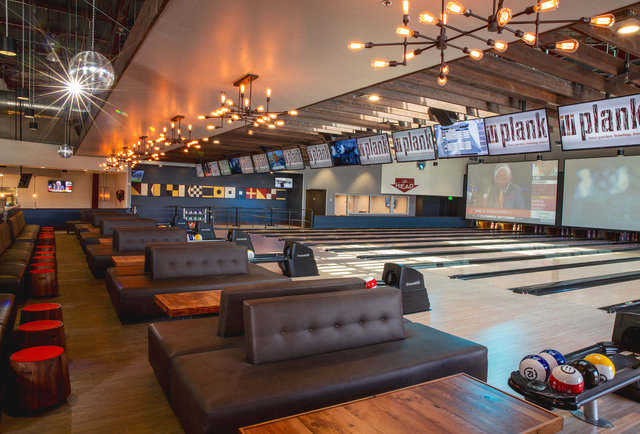
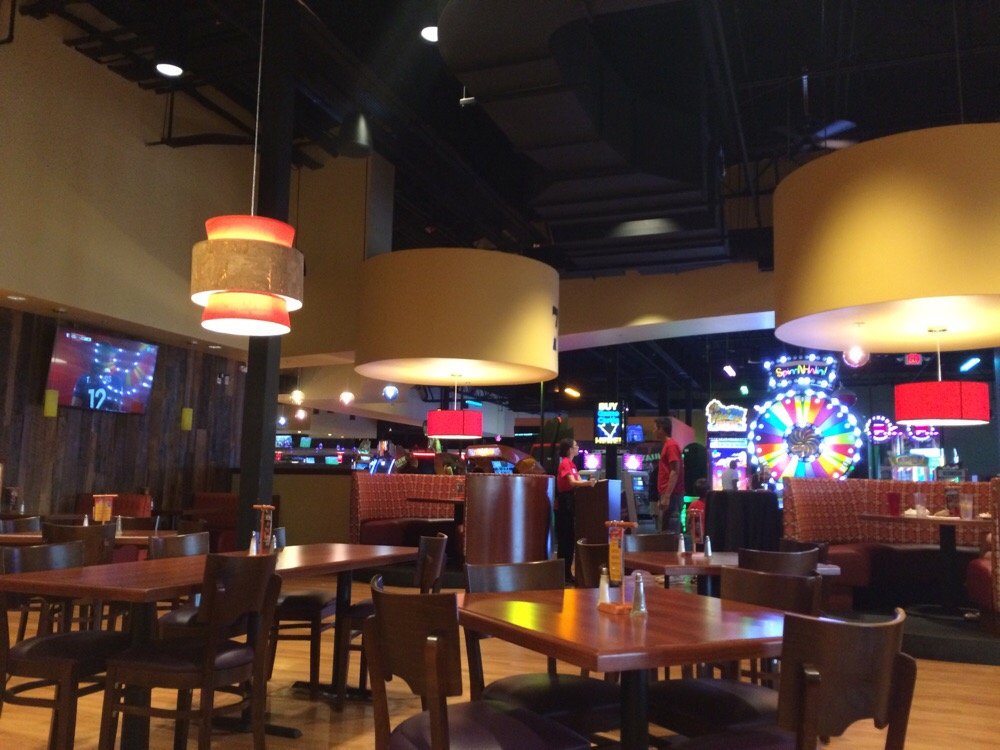
Bowling, arcade games and interactive attractions may draw the first visit. Food, birthday parties, group events and comfortable social areas can shape how guests use the rest of the center.
Those uses need enough separation to function properly, but they shouldn’t feel disconnected. A party group should be able to reach attractions without taking over the main circulation path. Dining guests should feel part of the energy without sitting inside a queue.
Foodservice also needs practical support behind the scenes. Design Development Company can coordinate entertainment planning with broader restaurant design and commercial kitchen requirements.
Planning support from the first idea through project development.
Design Development Company works with owners, operators and developers to turn an entertainment concept into a coordinated physical environment. The scope can be shaped around a new venue, expansion or renovation.
Concept Development
Define the character of the venue and connect the entertainment, dining and guest experience to a clear identity.
Space Planning
Organize attractions, circulation, seating, event rooms, service areas and support spaces into a workable facility layout.
Interior Design
Develop the lighting, finishes, materials, visual features and atmosphere that establish the venue’s identity.
Foodservice & Concessions
Coordinate restaurant, bar, kitchen and concession areas with the larger entertainment plan.
Renovations & Expansions
Rework existing venues to improve the guest environment, add activities or update the concept without losing the parts that still work.
Documentation & Coordination
Develop project information and coordinate the design with the consultants and teams responsible for implementation.
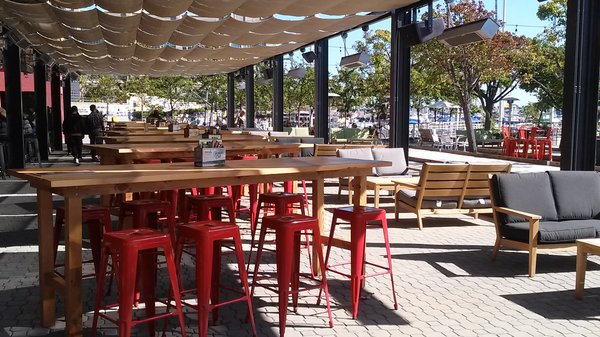
Social space gives the entertainment another dimension.
A successful entertainment center needs places for people to stop, talk, eat and gather between activities.
That may mean a beer garden, lounge seating, party rooms, restaurant tables or shared social areas. These spaces can extend the visit and broaden the venue beyond the attraction that first brought the guest through the door.
The key is integration. Social and dining spaces should participate in the entertainment atmosphere without inheriting every queue, sound source or circulation conflict around them.
Different concepts require different environments.
A family entertainment center should reflect its audience, activity mix and operating concept. It shouldn’t look like a generic entertainment package dropped into a building.
Plank Beer Garden
Plank Bowling
The Summit
Start with the experience you want guests to have.
A new family entertainment center begins with possibility. An existing venue begins with a different question: what still works, and what is holding the business back?
Design Development Company works with both situations. New family entertainment centers can establish the concept from the ground up. Renovations and expansions can update guest areas, introduce new activities, improve foodservice or reorganize spaces that no longer fit the way the venue operates.
Bring the attractions, food and guest experience into one clear concept.
Tell us what you are building, who it needs to serve and how you want guests to use the space. We’ll start with the real project requirements rather than forcing the concept into a standard template.