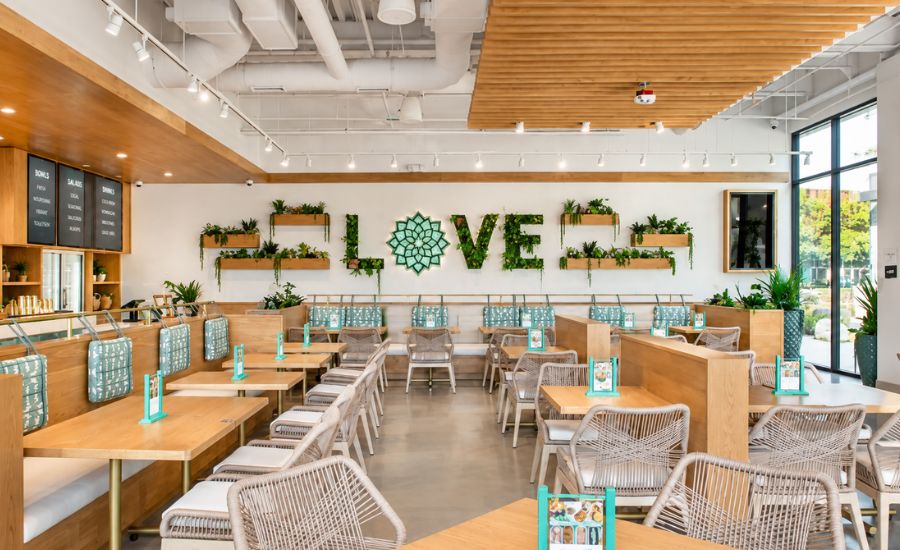
How to Choose the Right Design Firm for Your Restaurant Before You Sign
Choosing a restaurant design firm is a bigger decision than deciding who can create the most impressive rendering.
The firm you hire may influence the dining room, kitchen, bar, lighting, circulation, equipment, exterior identity, construction details and ultimately how well the finished restaurant works for both guests and employees.
A restaurant can photograph beautifully and still be difficult to operate. Servers can travel too far between tables and service stations. The kitchen may not support the menu during peak periods. Takeout can interfere with arriving guests. Lighting, acoustics or seating density may work against the experience the operator intended to create.
That is why the right question is not simply, “Do I like this designer’s work?”
A better question is: “Does this firm understand how to turn my restaurant concept into a space that looks right, operates properly and can actually be built?”
If you are comparing restaurant designer qualifications or interviewing a commercial restaurant design firm, start with these seven questions.
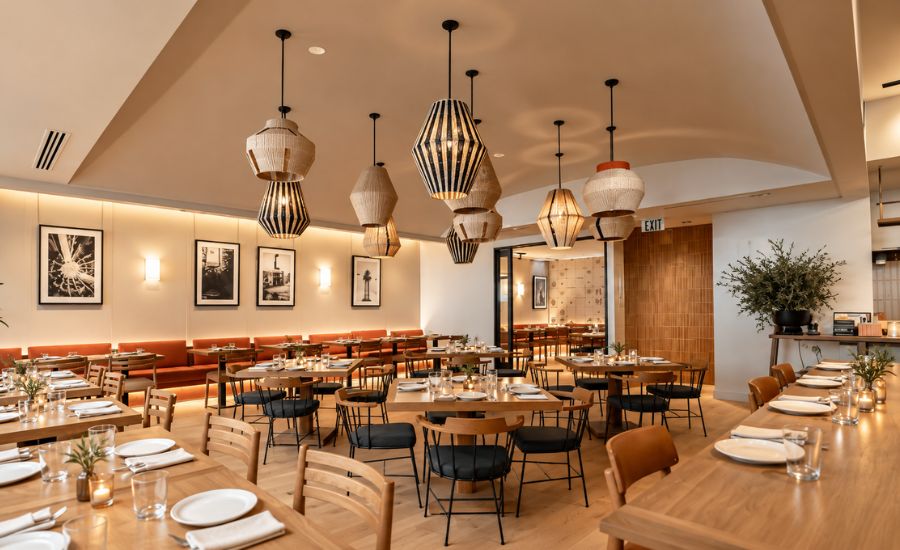
1. How Much of Your Experience Is Actually in Restaurant Design?
Restaurant design has requirements that do not exist in many other commercial interiors.
A designer needs to understand how the guest experience connects with seating capacity, circulation, food production, service stations, storage, bar operations, equipment, lighting, acoustics and building systems.
Ask prospective firms to show you restaurant projects rather than relying on a general commercial design portfolio.
Look at the variety of work too. Experience with fine dining, casual concepts, chains, independent restaurants, entertainment venues and remodels can indicate whether a firm knows how to adjust its thinking rather than applying the same design formula to every client.
Design Development Company has worked in restaurant and hospitality design for decades. You can review examples on the restaurant design and development page and see additional past clients and projects on the restaurant project client list.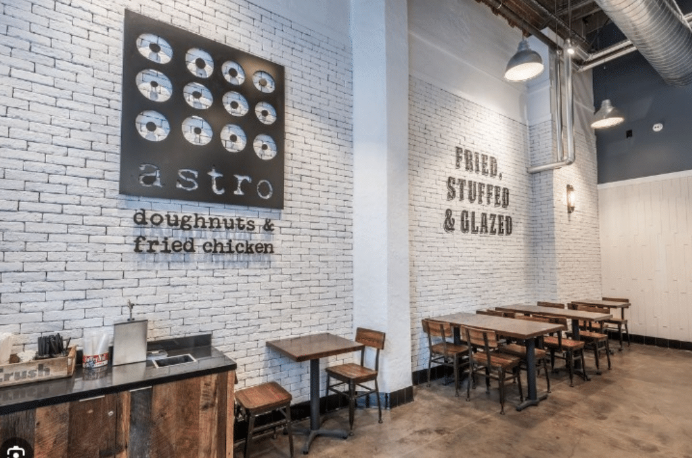
2. Do You Understand Restaurant Operations, or Only Restaurant Interiors?
This may be one of the most important questions you ask.
A restaurant is a working business before it is an interior design project.
The design team should be asking about your menu, service style, projected volume, kitchen production, table turns, bar program, takeout, storage, staffing and guest flow. Those decisions affect the physical space.
For example, a restaurant built around quick service needs a different operational plan from a destination restaurant where guests may remain at the table for two hours. A large bar program changes storage and service requirements. Heavy takeout volume changes what needs to happen near the entrance.
Design Development Company’s background includes firsthand restaurant development and operations as well as design. The company’s history includes the development, ownership and operation of restaurants and hotels across multiple states. You can read more about that background on the About Design Development Company page.
That operational perspective matters because the restaurant employees will experience the building differently from the guests, and both sides need to work.
3. Can the Firm Help Develop the Concept, Not Just Decorate It?
If your restaurant idea is still developing, find out how early the design firm becomes involved.
A strong design process should begin before furniture, wall finishes and decorative lighting take over the conversation.
The team should understand:
- Who the primary customer is
- What type of dining occasion the restaurant serves
- How the menu affects the space
- What price point the experience needs to support
- How formal or casual the service will be
- What should make the restaurant recognizable
- What guests should remember after they leave
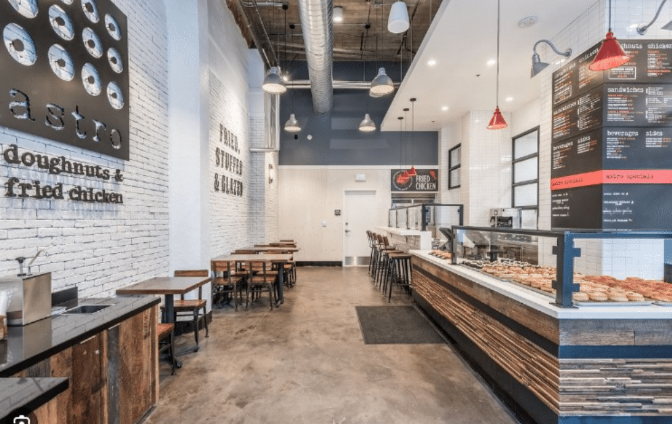 Our guide to developing the ideal restaurant design concept explains why the business idea, guest, menu, service model and location should be established before individual design details begin driving the project.
If a prospective designer immediately starts talking about colors and finishes without asking how the restaurant is supposed to operate, keep asking questions.
4. How Will You Coordinate the Kitchen With the Front of House?
The kitchen and dining room should not be treated as unrelated projects that happen to share a building.
Kitchen equipment affects utilities, ventilation and space requirements. Service paths affect dining-room planning. Bar locations affect beverage storage and employee circulation. Exhibition cooking changes what guests see and how the back of house needs to be maintained.
Ask whether the restaurant design firm provides commercial kitchen design directly or coordinates closely with the foodservice designer.
You should also understand who is responsible for:
- Kitchen programming
- Equipment layouts and specifications
- Food production flow
- Storage requirements
- Mechanical, electrical and plumbing coordination
- Ventilation and hood requirements
- Health department coordination
- Service and employee circulation
For a deeper look at this part of the process, read our guide to commercial kitchen design for restaurants.
5. How Do You Keep the Design Connected to the Budget?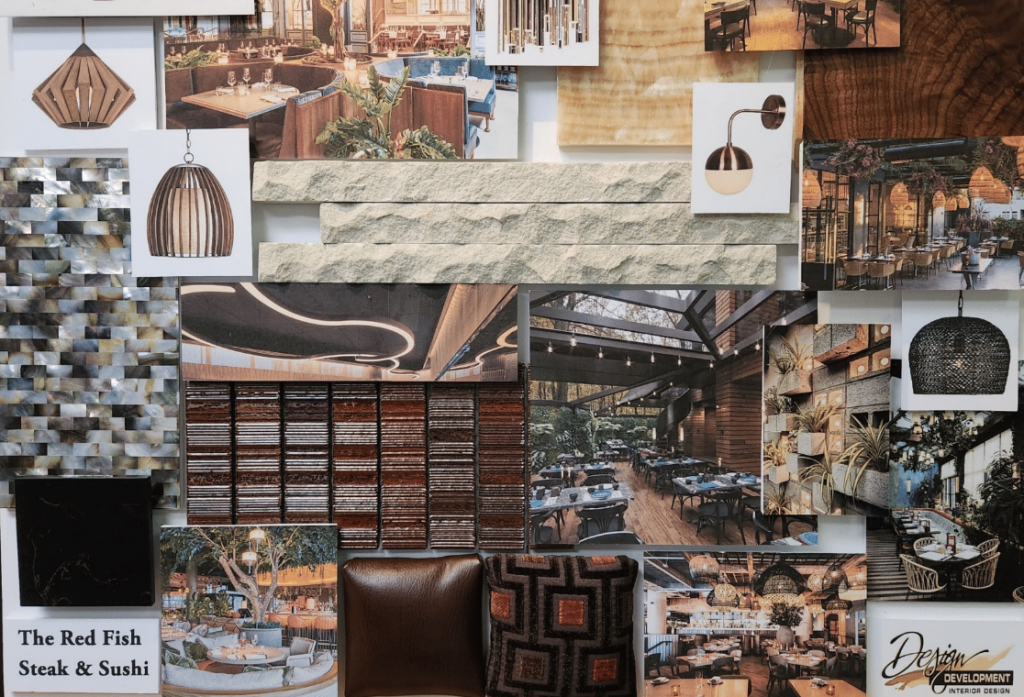
Restaurant design decisions have financial consequences long before construction begins.
Custom millwork, specialty lighting, imported finishes, kitchen equipment, unusual architectural features and exterior improvements can all affect the project budget.
Ask how the design team addresses cost while the concept is developing.
The answer should not simply be, “We can value engineer it later.”
Waiting until the design is finished and then removing expensive pieces can weaken the concept and create unnecessary redesign work. Budget needs to be part of the conversation while materials, layouts and major features are still flexible.
This becomes especially important when deciding whether to reuse an existing restaurant space or start with a new building. Our article on restaurant remodeling versus a new build explains why existing infrastructure can either provide a useful head start or create expensive surprises.
6. Who Coordinates the Other Consultants and Construction Information?
Restaurant projects involve more people than the restaurant owner and interior designer.
Depending on the project, the team may include architects, engineers, kitchen consultants, lighting specialists, equipment suppliers, contractors, permit agencies, landlords and brand consultants.
Before signing an agreement, ask exactly what the design firm’s scope includes and where another consultant’s responsibility begins.
Questions worth asking include:
- Who coordinates the architectural and engineering teams?
- Who reviews drawings when one discipline affects another?
- Who handles permit and agency coordination?
- Who answers contractor questions during construction?
- Who reviews substitutions when specified products are unavailable?
- Who helps protect the original design intent through implementation?
A strong concept can become diluted when those responsibilities are fragmented and no one is looking at the restaurant as one connected project.
7. Can You Show Me Work Relevant to What I Am Trying to Build?
A good portfolio should tell you more than whether you like a firm’s visual style.
Ask to see projects with challenges similar to yours.
If you are developing a multi-location restaurant, look for prototype and rollout experience. If you are remodeling an operating restaurant, ask about renovations. If foodservice is particularly complex, look closely at kitchen experience. If your concept combines dining with entertainment, make sure the firm understands how those uses interact.
Restaurant chains and growing brands should pay particular attention to whether the firm knows how to separate the elements that must remain consistent from the elements that need to adapt to individual sites.
Our article about the restaurant prototype design process looks at how a concept can be developed into a repeatable restaurant model without forcing every future location into exactly the same building.
Restaurant Designer Qualifications: What Should You Actually Look For?
There is no single resume that identifies the right restaurant designer for every project.
Instead, look at the combination of experience that matters for the restaurant you are creating.
A qualified commercial restaurant design team should be able to demonstrate experience with several of the following:
- Restaurant concept development
- Space planning and guest circulation
- Commercial interior and exterior design
- Commercial kitchen planning
- Restaurant operations and service flow
- Lighting and material selection
- Equipment and utility coordination
- Budget awareness
- Construction documentation
- Consultant coordination
- Permitting and agency requirements
- Renovations and existing building conditions
- Restaurant prototypes and multi-unit development
The exact combination depends on your project. A single independent restaurant has different needs from a brand preparing to open 20 locations.
What matters is whether the firm understands the complete problem you are asking it to solve.
Choosing a Restaurant Design Firm?
Design Development Company works with restaurant owners, developers and hospitality groups from early concept development through interior and exterior design, commercial kitchen planning, lighting, specifications, budgeting and implementation.
Bring us your concept, menu, location and business goals. We can help determine what the restaurant needs before expensive design and construction decisions become difficult to change.
Questions to Ask a Restaurant Design Firm: FAQs
When should I hire a restaurant design firm?
Ideally, bring the design team into the project while the concept, site and major operating decisions are still flexible. Early involvement gives the team an opportunity to evaluate the menu, customer, kitchen requirements, building conditions and budget before the restaurant becomes committed to a difficult layout or unsuitable property.
What should I bring to my first meeting with a restaurant designer?
Bring whatever you already know about the project, including the menu or food concept, target customer, service style, potential location, approximate budget, seating goals, bar program, takeout requirements and examples of experiences you like. You do not need to arrive with a finished design.
Should the restaurant designer also design the commercial kitchen?
The kitchen needs to be developed in close coordination with the rest of the restaurant. Whether one firm provides both services or the restaurant designer works with a separate foodservice consultant, kitchen equipment, food flow, utilities, ventilation and service circulation need to be coordinated with the architecture and front of house.
How do I compare restaurant design proposals?
Do not compare fees without comparing scope. Determine what each proposal includes for concept development, space planning, kitchen design, renderings, technical drawings, specifications, consultant coordination, permitting assistance and construction involvement. A lower proposal may simply include fewer services.
Should I choose a restaurant designer based on style?
Style matters, but it should not be the only factor. A restaurant design firm should be able to develop an environment around your brand, customer, menu and operating model rather than making every restaurant resemble the designer’s previous projects.
What is the difference between a restaurant interior designer and a restaurant design firm?
The terminology varies by company. Some designers concentrate primarily on interiors and finishes, while a broader restaurant design firm may also work with concept development, site planning, commercial kitchens, exterior design, lighting, branding, budgeting and project coordination. Ask each firm to define exactly what its services include.
The Right Design Firm Is the One That Understands the Whole Restaurant
Restaurant design is not one decision. It is hundreds of connected decisions involving the customer, menu, employees, kitchen, building, budget and brand.
When interviewing firms, look beyond the images in the portfolio. Ask how the team thinks, what it wants to know about your business and how it will coordinate the practical parts of the project with the creative ones.
The right commercial restaurant design firm should help you create a restaurant that is memorable when guests walk in, workable when the dining room is full and grounded enough to survive the realities of construction and daily operation.