
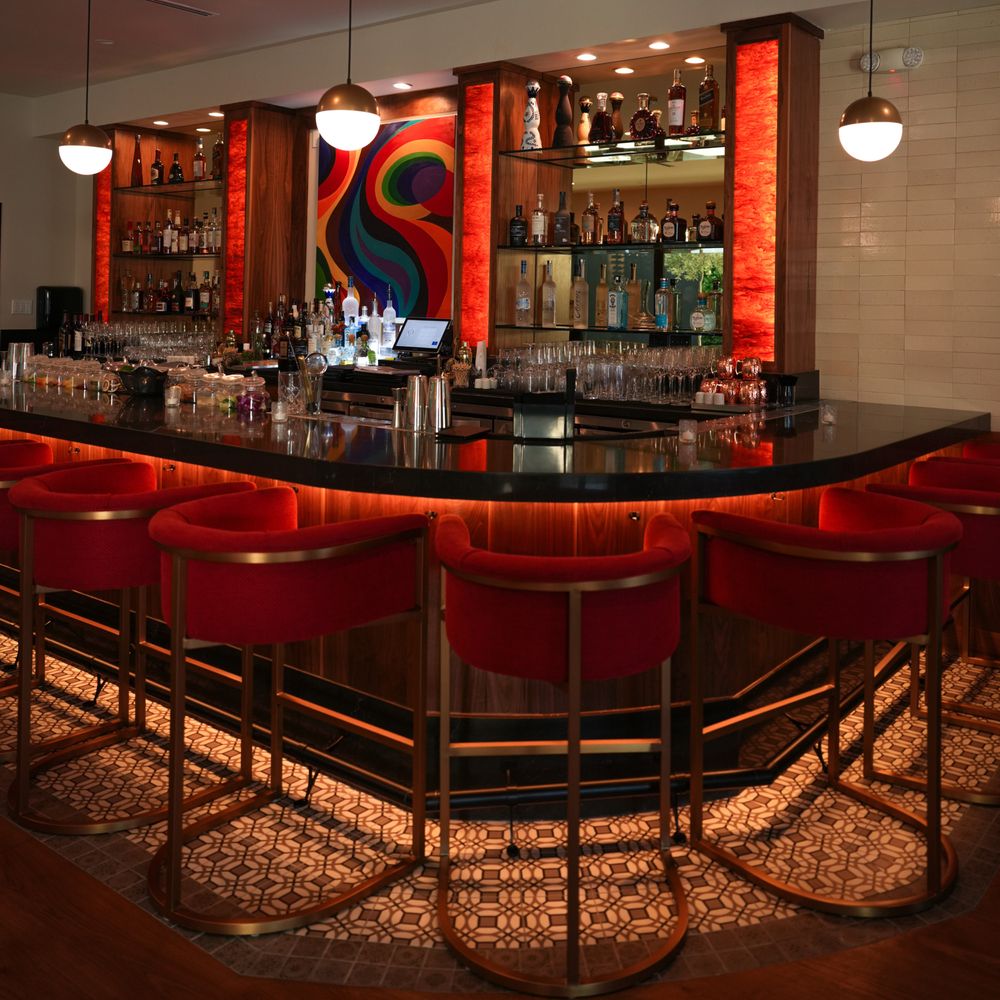
Think about a restaurant you still remember years after visiting it.
You may remember the food. But chances are you also remember something about the room.
The way the bar looked when you walked in. The lighting over the table. The energy of the dining room. The music. A dramatic ceiling, an unexpected material, a view into the kitchen or simply the feeling that you wanted to stay a little longer.
That is not accidental.
Great restaurant design influences how people feel before they consciously begin evaluating the space.
Guests experience a restaurant through multiple senses at the same time. The architecture, lighting, sound, seating, materials, movement, people and food become part of one experience. Research into hospitality environments and multisensory perception supports something experienced restaurant operators have understood for years: surroundings can influence how people perceive a meal and how they remember the overall visit.
At Design Development Company, this relationship between food and experience has shaped restaurant design for more than four decades.
The objective is not simply to create a beautiful restaurant.
It is to create an environment people want to experience again.
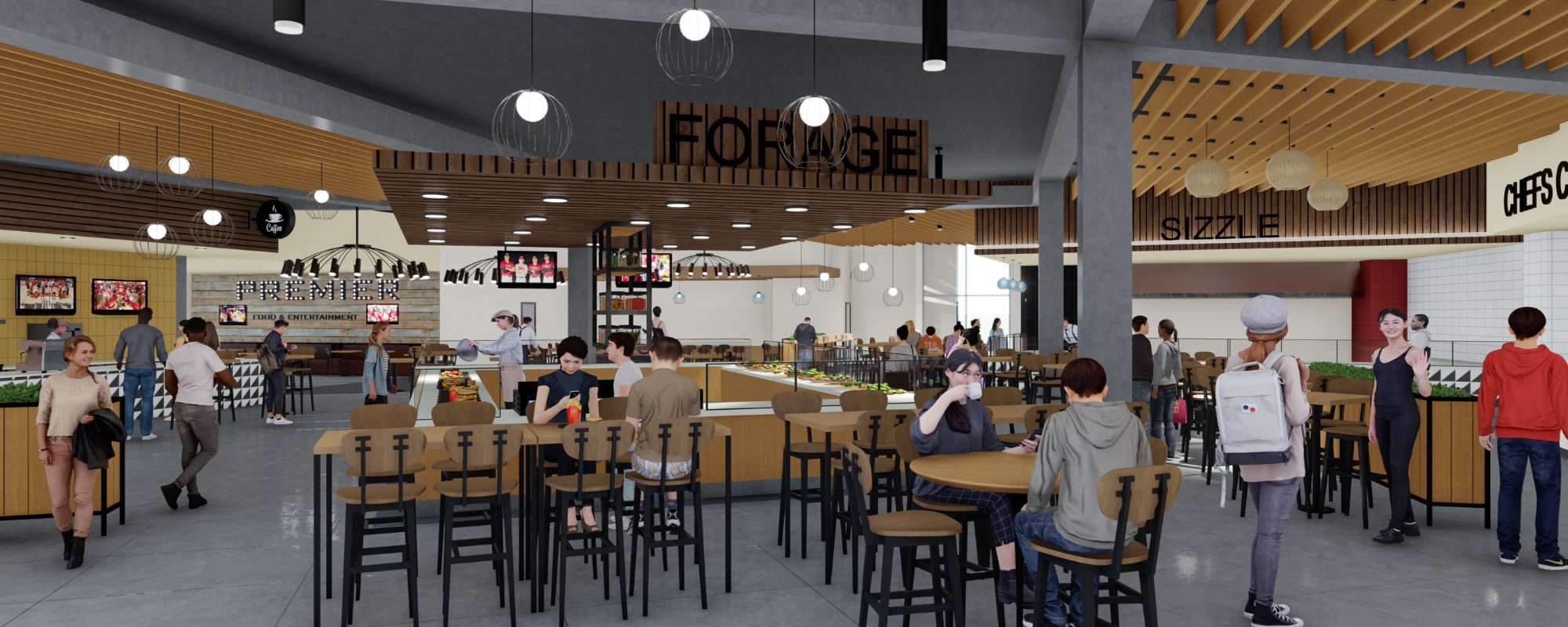
What Is the Psychology of Restaurant Design?
Restaurant design psychology is the study and practical application of how physical surroundings influence a guest’s emotions, perceptions, comfort, behavior and memory.
That can include:
- How guests react when they first enter
- Whether a room feels intimate or energetic
- How easily people understand where to go
- Whether lighting makes a table feel comfortable
- How sound affects conversation
- How close guests feel to neighboring tables
- Whether the restaurant feels consistent with the menu and brand
- What visual elements guests remember after leaving
The important point is that these elements are not isolated.
A guest does not separately evaluate the lighting, music, table spacing, furniture and kitchen activity. The brain combines those signals into a much simpler conclusion:
“I like this place.”
Or:
“Something about this place doesn’t feel right.”
Great hospitality design works to make the first response more likely.

The Restaurant Experience Begins Before the Food Arrives
A common mistake is thinking the restaurant experience begins when the guest tastes the food.
It starts much earlier.
The guest may see the building from the street, approach the entrance, open the door, locate the host, wait for a table and walk through the dining room before ever seeing a menu.
Each moment is communicating something.
The exterior may create anticipation.
The entrance may feel welcoming or confusing.
The first view inside may immediately establish the restaurant’s personality.
The waiting area may feel intentional or like leftover space.
This is why Design Development Company approaches restaurant design as a sequence rather than a single photograph.
Our article on developing the ideal restaurant design concept discusses the importance of mapping the entire guest journey, from the first exterior impression through seating, dining and departure.
 1. First Impressions Create Expectations
People begin forming expectations almost immediately.
Before tasting the food, a guest is already gathering clues about what kind of restaurant this is and what the experience should be worth.
A highly polished entrance may suggest a more premium experience.
An open kitchen may communicate energy, craftsmanship or transparency.
A casual counter and visible ordering system may tell guests that the experience should be quick and informal.
Those signals become a promise.
The restaurant then has to deliver on it.
Problems occur when the physical environment promises one experience while the menu, pricing or service delivers another.
A successful restaurant concept creates consistency between:
- Architecture
- Interior design
- Menu
- Price point
- Service style
- Graphics and signage
- Lighting
- Music
- Employee interaction
The stronger those elements reinforce one another, the easier it becomes for guests to understand what the restaurant is supposed to be.
2. Lighting Changes How a Restaurant Feels
Lighting is one of the most powerful tools in hospitality design because it changes both what guests see and how they emotionally read the room.
Bright, even lighting can create energy, clarity and visibility.
Lower ambient light with carefully placed focal lighting can create intimacy and draw attention to individual tables, artwork, architecture or food.
Neither approach is automatically better.
The right lighting depends on the concept.
A breakfast café, family restaurant, cocktail bar and fine-dining restaurant should not necessarily have the same lighting environment.
Good restaurant lighting can help:
- Establish the mood of the room
- Define separate areas within a larger space
- Highlight food and tabletop presentation
- Draw attention toward a bar or architectural feature
- Create a sense of intimacy
- Make large spaces feel more comfortable
- Allow the restaurant to change between daytime and evening service
Lighting should therefore be considered during concept development, not selected as an accessory after the restaurant has already been designed.
3. Sound Changes the Emotional Temperature of the Room
A restaurant can look exceptional and still be uncomfortable because of sound.
People naturally expect restaurants to have energy. Conversation, music, glassware, kitchen activity and movement all contribute to the atmosphere.
But energy and excessive noise are not the same thing.
If guests have to repeatedly raise their voices to communicate across a table, the room can become tiring.
On the opposite end, a restaurant that is too quiet may feel empty or overly formal.
The psychological goal is often to create a level of sound appropriate for the experience.
That requires thinking about more than the music playlist.
Restaurant acoustics are affected by:
- Ceiling height
- Hard versus absorptive materials
- Flooring
- Glass
- Upholstery
- Wall treatments
- Table spacing
- Kitchen openings
- Bar activity
- Number of guests in the room
The music itself should also support the restaurant’s identity rather than feeling like an unrelated layer added afterward.
Like lighting, sound is part of the restaurant experience whether the designer plans for it or not.
4. Guests Want to Understand a Space Without Thinking About It
One of the most important psychological principles in restaurant planning is surprisingly simple:
People prefer environments they can understand.
Guests should not have to stop and solve the restaurant.
Where is the host?
Where should I wait?
Where do I pick up a takeout order?
Where are the restrooms?
Can I walk between these tables?
When those questions require conscious effort, the design creates friction.
Good circulation often goes completely unnoticed.
That is exactly the point.
Design Development Company’s restaurant planning considers how guests and employees move through the same environment because those paths affect both comfort and service.
Learn more about the company’s overall approach to restaurant design and development.
5. Comfort Is Psychological as Well as Physical
A chair can technically be comfortable while the table still feels uncomfortable.
Why?
Because people experience personal space as well as furniture.
Consider a table positioned directly in a major server pathway.
The chair may be excellent, but guests constantly sense movement behind them.
Or imagine two tables positioned so closely that diners can easily hear every word of the neighboring conversation.
The furniture may be appropriate, but privacy has changed.
Restaurant comfort can be influenced by:
- Seat design
- Table dimensions
- Spacing between tables
- Views through the room
- Proximity to circulation paths
- Lighting
- Noise
- Temperature
- Visibility from other guests
The correct balance depends on the restaurant.
A lively social concept may intentionally use greater density and activity.
A romantic restaurant may place more value on separation, lower light levels and visual privacy.
The goal is not maximum comfort in the abstract.
It is the type of comfort appropriate for the experience being promised.
6. Familiarity Makes People Comfortable. Novelty Makes Them Remember.
This balance is central to Design Development Company’s design philosophy.
A restaurant that is completely predictable may be comfortable but forgettable.
A restaurant that is unusual in every direction may be memorable but exhausting.
The strongest hospitality environments often sit somewhere between the two.
Guests recognize enough about the restaurant to feel comfortable. They know how to enter, sit, order and interact with the space.
Then the design gives them something unexpected.
It might be:
- An unusual architectural form
- A dramatic bar
- A distinctive lighting installation
- An unexpected material
- A memorable ceiling
- A visible kitchen
- Artwork
- A strong view
- A unique relationship between indoor and outdoor space
The unexpected element becomes more powerful because everything around it is not competing for attention.
Design Development Company’s philosophy is to create environments that feel unusual and unique while still feeling familiar enough for guests to experience them comfortably.
You can read more about that philosophy and the family’s decades of restaurant experience on the About Design Development Company page.
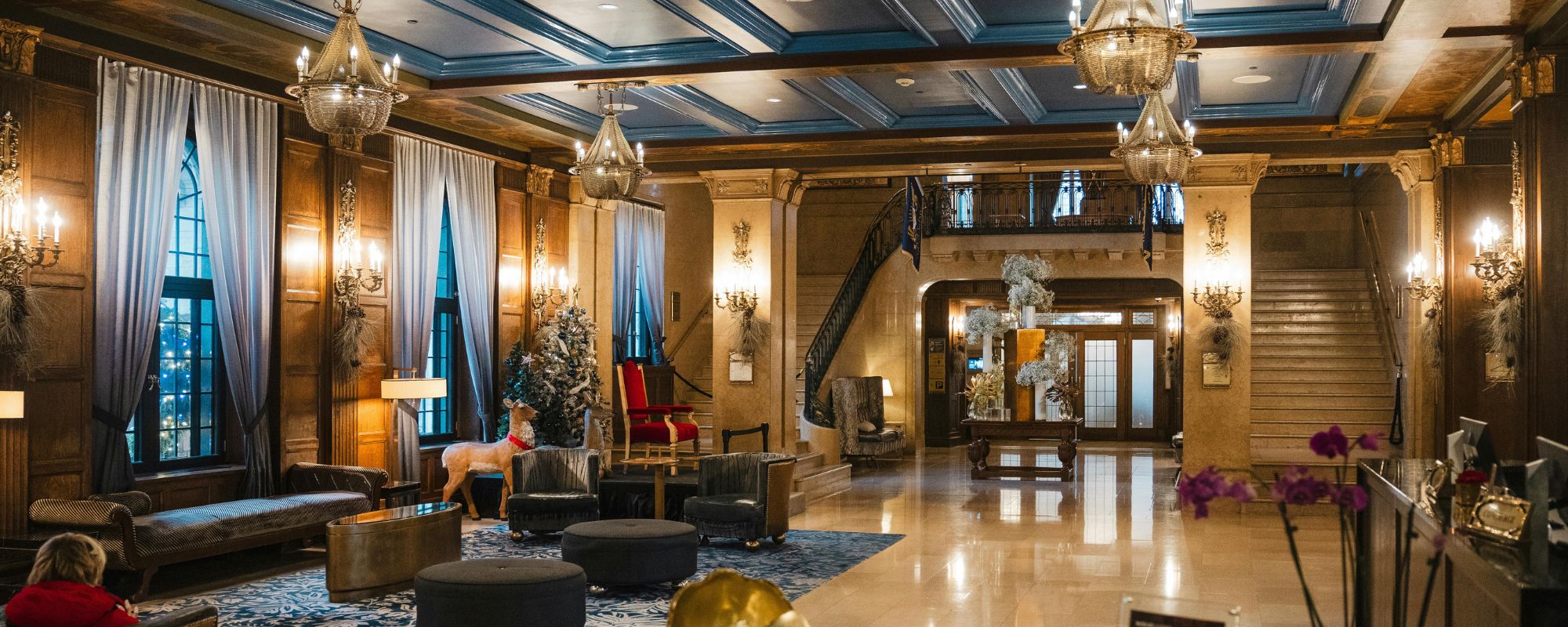
7. Memory Needs a Visual Anchor
People do not usually remember every chair, wall finish or light fixture in a restaurant.
They remember selected moments.
This is why memorable restaurant design often includes one or more strong visual anchors.
A visual anchor gives the guest something distinctive to attach to the experience.
It could be an architectural element. It could be a bar, feature wall, kitchen, artwork, ceiling, staircase, fireplace or exterior form.
The goal is not to make every part of the restaurant compete for attention.
If everything is the focal point, nothing is.
Restraint can actually make the memorable elements stronger.
This becomes particularly important for growing restaurant companies. A recognizable element can eventually become part of the physical identity of the brand.
Our article on restaurant prototype designs that became household names explores how restaurants such as McDonald’s, Pizza Hut, Taco Bell, Hard Rock Cafe and Starbucks used recognizable environmental cues in very different ways.
8. Restaurant Design Changes the Way Food Is Experienced
Food is inherently multisensory.
We experience flavor through more than taste alone. Smell, texture, temperature, appearance and even surrounding sound contribute to the overall perception of eating.
The restaurant becomes part of that sensory context.
This does not mean designers can magically make mediocre food taste exceptional.
It means the physical environment can either support or work against the experience the chef and operator are trying to create.
Consider the difference between eating the same carefully plated dish under harsh overhead lighting versus warm, controlled table lighting.
Or drinking a cocktail in a thoughtfully designed bar versus consuming the same drink in a brightly lit empty room.
The product has not changed.
The experience surrounding it has.
Restaurant design should therefore create a setting appropriate for the food rather than competing with it.
9. The Restaurant Should Feel Consistent With Its Brand
People are sensitive to inconsistency even when they cannot explain exactly what is wrong.
Imagine:
A menu focused on handmade regional food inside a restaurant that feels highly corporate.
A premium restaurant with inexpensive-looking lighting and furniture.
A casual family restaurant with an entrance that feels intimidating and overly formal.
A modern menu inside a room that feels disconnected from the identity of the business.
No single element may be objectively bad.
The problem is that the signals conflict.
Strong restaurant branding translates the concept into physical decisions.
The brand can influence:
- Exterior architecture
- Entry sequence
- Materials
- Color
- Furniture
- Lighting
- Graphics
- Uniforms
- Tabletop presentation
- Music
- Kitchen visibility
The design does not need to repeat the logo everywhere.
Ideally, guests should begin understanding the brand even when the restaurant name is not directly in front of them.
10. Employee Experience Eventually Becomes Guest Experience
Some of the most important psychological elements of restaurant design happen where guests cannot see them.
A poorly organized kitchen creates pressure.
A service station positioned too far away creates unnecessary movement.
Insufficient storage creates clutter.
Servers repeatedly crossing one another creates frustration.
A badly positioned pickup area slows food delivery.
Guests may never see the underlying design problem.
They experience its consequences through slower service, distracted employees, crowded circulation or inconsistent food timing.
This is why Design Development Company treats operational planning as part of hospitality design rather than a separate technical exercise.
The firm’s commercial kitchen design approach connects equipment, production flow, service and the dining environment rather than treating the kitchen as an isolated room behind the restaurant.
11. Great Restaurant Design Encourages the Behavior the Concept Needs
Different restaurant concepts need different customer behaviors.
A fast-casual operator may need guests to quickly understand ordering, pickup and seating.
A coffeehouse may want people to feel comfortable staying longer.
A fine-dining restaurant may want to slow the pace of the experience.
A bar-driven concept may want energy concentrated around one visible destination.
A family restaurant may need easy circulation, flexible seating and clear sightlines.
Design can support those behaviors without signs constantly telling people what to do.
Layout, furniture, lighting, focal points and circulation can naturally guide guests through the intended experience.
That is one reason operators should involve the design team before the floor plan has already been decided.
For operators evaluating firms, see 7 questions to ask before choosing a restaurant design firm.
12. The Last Impression Matters Too
Restaurant design discussions focus heavily on arrival.
Departure deserves attention too.
The last few minutes of an experience can influence how people remember the visit.
Consider:
- How payment is handled
- Whether guests can leave without navigating congestion
- What they see on the way out
- Whether the exit feels intentional
- Whether the exterior experience continues after dark
The guest journey does not end when the plate is cleared.
A well-developed restaurant experience has a beginning, middle and end.
What Makes a Restaurant Truly Memorable?
It is rarely one dramatic design choice.
It is the accumulation of many decisions that support the same experience.
The entrance creates anticipation.
The room makes sense.
The lighting supports the mood.
The sound creates energy without becoming exhausting.
The table feels comfortable.
The restaurant has enough personality to be remembered.
The kitchen and service areas allow employees to deliver the experience efficiently.
And the physical environment feels like it belongs to the food, brand and people inside it.
When those things align, guests may not know exactly why the restaurant feels right.
They simply know they want to return.
More Than 40 Years of Designing the Complete Restaurant Experience
Design Development Company was founded in 1983, but the restaurant operating experience behind the firm began well before that.
Before establishing Design Development Company, the experience behind the firm included designing, developing, owning and operating 80 restaurants and six hotels across 27 states.
That history created a different perspective on restaurant design.
A room cannot simply look good.
It has to work when every table is occupied.
The kitchen has to support the menu.
The employees have to be able to move through the building.
The concept needs to make sense to the guest.
And the environment should create an experience worth remembering.
Today, Design Development Company works with independent operators, growing restaurant groups, established brands, hotels, entertainment facilities and commercial foodservice clients on projects ranging from new concepts to remodels and multi-location prototypes.
Explore the Design Development Company portfolio or review the firm’s restaurant design services to see how different concepts require different creative and operational solutions.
Planning a Restaurant Guests Will Remember?
Great hospitality design begins before furniture and finishes are selected. It starts with understanding the restaurant, the people it serves, the food it prepares and the experience the operator wants guests to remember.
Design Development Company can help with restaurant concept development, space planning, interior and exterior design, commercial kitchen planning, lighting, graphics, equipment, specifications and project coordination.
Discuss Your Restaurant Project With Design Development Company
Restaurant Design Psychology FAQs
How does restaurant design affect customer experience?
Restaurant design influences how guests move through the space, how comfortable they feel, what they notice, how easily they communicate and how they interpret the restaurant’s identity. Lighting, acoustics, layout, seating, materials and circulation all contribute to the overall experience.
What makes a restaurant interior memorable?
Memorable restaurant interiors usually combine a clear concept with one or more recognizable visual or experiential elements. These might include distinctive architecture, lighting, a dramatic bar, artwork, materials, an open kitchen or another feature strongly connected to the restaurant’s identity.
Why is lighting important in restaurant design?
Lighting helps establish mood, visual hierarchy and intimacy. It can emphasize food, tables, artwork, bars and architecture while helping the restaurant create different experiences during daytime and evening service.
How do acoustics affect a restaurant?
Sound influences how energetic, intimate or comfortable a restaurant feels. Excessive noise can make conversation difficult, while an environment that is too quiet may feel uncomfortable for certain concepts. Materials, ceilings, flooring, upholstery, table spacing and music all contribute to the acoustic environment.
Does restaurant layout affect customer behavior?
Yes. Layout influences where guests enter, wait, order, sit and move through the restaurant. A clear layout can make the experience feel intuitive while also reducing conflicts between guest circulation, takeout traffic and employee service paths.
Should restaurant design be based on psychology?
Psychology should inform restaurant design, but it should not become a collection of gimmicks. The strongest approach is to understand how people naturally experience light, sound, personal space, movement, familiarity and visual cues, then apply those principles in a way that supports the specific restaurant concept.
What should restaurant operators consider before beginning interior design?
Operators should first clarify the target guest, menu, service model, kitchen requirements, expected volume, bar program, takeout needs, location and overall brand experience. Those business decisions provide the foundation for effective restaurant interior design.
Design the Experience, Not Just the Room
People rarely remember restaurants as a list of design features.
They remember how the experience felt.
The lighting, sound, food, service, architecture, people and atmosphere become one memory.
That is why great hospitality design is not simply about making a room attractive.
It is about creating the conditions for a memorable experience.
And when the design, food and service all reinforce the same idea, the restaurant becomes more than somewhere people ate.
It becomes somewhere they remember.