
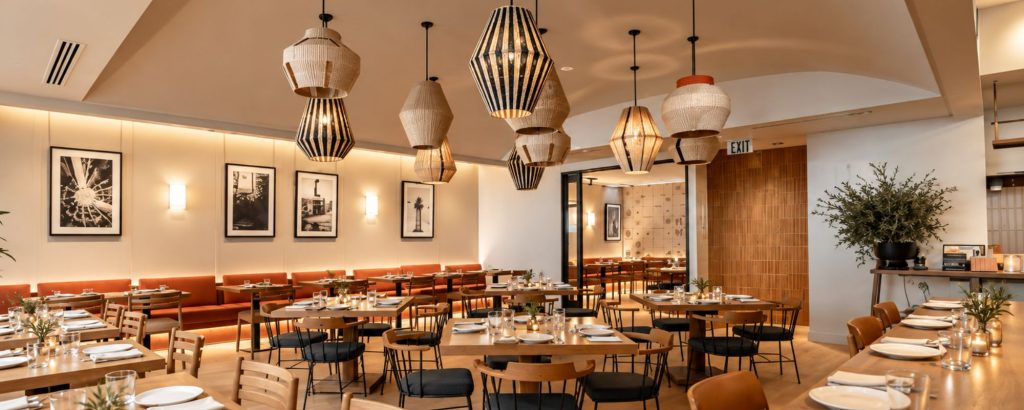
Guests may notice the furniture, the bar, the artwork or the materials when they walk into a restaurant.
What they often do not notice is the element influencing how all of those things look and feel: the lighting.
Restaurant lighting design affects how guests see the food, how comfortable they feel at the table, where their attention goes and how the room changes from one part of the day to another.
A beautifully designed dining room can feel flat under the wrong lighting. A relatively simple room can feel warm, dramatic and inviting when the lighting is handled correctly.
At Design Development Company, lighting is considered part of the overall restaurant concept rather than a decorative decision made at the end of the project.
The objective is simple: use light to support the food, architecture, brand and experience the restaurant is trying to create.
Why Is Restaurant Lighting Design So Important?
Restaurant lighting design helps establish mood, direct attention, support visibility and reinforce the identity of the restaurant.
Lighting influences:
- How large or intimate a room feels
- How food appears on the table
- How guests see one another
- Which architectural features attract attention
- How active or relaxed the restaurant feels
- Whether guests can comfortably read menus
- How the bar, kitchen or other focal areas are perceived
The best lighting usually does not call attention to itself.
Guests simply feel that the room works.

Lighting Should Begin With the Restaurant Concept
A restaurant should not begin by choosing attractive light fixtures from a catalog.
First determine what the restaurant is supposed to feel like.
A fast-casual restaurant may need brighter lighting that supports energy, visibility and quick customer movement.
A fine-dining restaurant may need lower ambient light with carefully controlled illumination at the table.
A bar-driven concept may use contrast and focused lighting to make the bar the visual center of the room.
A restaurant serving breakfast, lunch and dinner may need a lighting system capable of changing throughout the day.
This is why Design Development Company’s approach to developing the restaurant design concept begins with the customer, menu, service model and experience before individual finishes and fixtures are selected.
Good Restaurant Lighting Creates Layers
One of the easiest ways to make a restaurant feel flat is to illuminate everything at the same level.
Restaurants usually benefit from several layers of light working together.
Ambient Lighting
Ambient light establishes the general level of illumination in the room. It allows guests and employees to move comfortably through the restaurant without every area needing the same brightness.
Task Lighting
Task lighting provides more focused illumination where people need to perform specific activities, such as reading menus, preparing food, working at a host station or operating behind the bar.
Accent Lighting
Accent lighting draws attention toward important features such as artwork, architectural details, displays, textured walls or the bar.
Using these layers creates visual hierarchy.
Instead of seeing the entire room at once, guests naturally notice the areas the designer wants them to notice.
The Table Is the Most Important Lighting Zone
For most restaurants, the table deserves special attention.
This is where guests spend most of their visit.
Food should look appealing. Guests should be able to see one another. Menus should remain readable without requiring a phone flashlight.
At the same time, the table should feel connected to the atmosphere of the restaurant.
Too much light can make an intimate restaurant feel clinical.
Too little light can make the experience frustrating.
The correct solution depends on the concept, but the objective is usually to provide enough controlled light where it matters without flooding the entire room.

Lighting Can Make the Bar a Destination
The bar is often one of the strongest visual opportunities in a restaurant.
Backlit bottles, illuminated shelving, pendants, decorative fixtures and focused lighting on materials can help create a recognizable focal point.
This is particularly valuable in restaurants where the beverage program is an important part of the business.
A guest entering the restaurant should be able to understand quickly where the energy of the room is located.
Lighting can help establish that hierarchy without additional signs or graphics.
Day and Night Should Not Feel Exactly the Same
Restaurants operating across several dayparts need flexibility.
Natural daylight may provide much of the atmosphere during lunch.
As daylight disappears, the artificial lighting system becomes responsible for defining the room.
A good restaurant lighting plan may use different settings for:
- Breakfast
- Lunch
- Happy hour
- Dinner
- Late-night service
- Cleaning and maintenance
Dimming and control systems allow the environment to change without replacing fixtures or altering the physical design.
The transition should feel intentional rather than simply becoming darker as the evening progresses.
Lighting and Materials Have to Be Designed Together
Light does not exist independently from the surfaces around it.
Dark wood, polished stone, glass, metal, upholstery and matte finishes all react differently to light.
A material that looked attractive in a showroom may appear completely different under the lighting used in the restaurant.
Highly reflective surfaces can create glare.
Dark materials may absorb more light than expected.
Textured surfaces may become much more dramatic when illuminated from the right direction.
This is why lighting, materials and interior design should be developed together rather than assigned to separate stages of the project.
Do Not Forget the Kitchen and Service Areas
Guest lighting and employee lighting have different requirements.
A kitchen needs clear, practical illumination that supports food preparation, cleaning and safety.
Service stations need enough visibility for employees to work efficiently without creating overly bright areas inside the dining room.
An open kitchen creates another challenge because the kitchen becomes part of what guests see.
The lighting needs to support the employees while also considering how the kitchen appears from the dining room.
This is another reason Design Development Company coordinates commercial kitchen design with the rest of the restaurant rather than treating the kitchen as a separate project.
Common Restaurant Lighting Mistakes
Some lighting problems appear repeatedly in restaurant projects.
- Making the entire room equally bright. This removes visual hierarchy and can make the restaurant feel flat.
- Choosing fixtures before developing the lighting plan. Attractive fixtures do not automatically create good light.
- Ignoring glare. Bright sources reflected from glass, mirrors or polished materials can become uncomfortable.
- Making the restaurant too dark. Atmosphere should not come at the expense of menus, food and faces.
- Using one lighting level all day. Lunch and dinner often require different environments.
- Forgetting exterior lighting. The guest experience begins before the front door.
Lighting Is Part of Restaurant Branding
Lighting can become part of how customers recognize a restaurant.
A warm neighborhood restaurant, high-energy entertainment concept and sophisticated fine-dining room should not necessarily feel the same.
Lighting helps communicate those differences before a guest begins analyzing the menu or furnishings.
For multi-unit restaurant brands, lighting can also become part of the repeatable design system. Fixture families, light levels, accent strategies and control settings can help maintain consistency even when individual buildings are different.
Design Development Company’s work in restaurant prototype design considers lighting alongside architecture, interiors, kitchens, materials and brand identity so future locations can maintain a recognizable experience.
Why Design Development Company for Restaurant Lighting Design?
Design Development Company has specialized in restaurant and hospitality environments since 1983.
Lighting design is part of a broader process that can include:
- Restaurant concept development
- Interior and exterior design
- Space planning
- Commercial kitchen design
- Lighting design
- Sound, video and special effects
- Graphics and identity consultation
- Specifications and implementation
This integrated approach matters because lighting affects almost every other design decision.
It changes how materials look, where guests focus, how food appears and how the restaurant feels throughout the day.
Explore the company’s restaurant and hospitality portfolio or learn more about the philosophy behind the firm’s approach on the About Design Development Company page.
Restaurant Lighting Design FAQs
What is the best lighting for a restaurant?
There is no single best lighting solution. The right lighting depends on the restaurant concept, menu, service style, dayparts, architecture and desired atmosphere. A successful plan usually combines ambient, task and accent lighting.
Should restaurants use dim lighting?
Some restaurants benefit from lower light levels, but darker is not automatically better. Guests should still be able to see food, read menus and comfortably interact with one another.
When should restaurant lighting be designed?
Lighting should be considered early in the design process, alongside the layout, materials, architecture and restaurant concept. Waiting until construction is underway can limit fixture locations, controls and opportunities to integrate lighting with the architecture.
Can restaurant lighting change throughout the day?
Yes. Dimming and control systems can create different lighting scenes for lunch, dinner, late-night service and other operating periods.
Great Lighting Is Often the Part Guests Never Notice
Guests may never compliment the ambient light level, the angle of an accent fixture or the way a table is illuminated.
They simply know whether the restaurant feels comfortable.
That is what makes lighting such a powerful part of hospitality design.
It affects almost everything guests see while often remaining invisible itself.
The goal is not to make people notice the lighting. The goal is to use lighting to make them notice the restaurant.
Planning a Restaurant or Hospitality Project?
Design Development Company works with independent restaurant owners, multi-unit operators, hospitality groups and commercial developers on restaurant concepts, interiors, exteriors, commercial kitchens, lighting and complete guest environments.
Discuss Your Restaurant Design Project With Design Development Company